After the Renovation: Getting Construction and Demolition Debris Off Your Driveway
The renovation is finished, but the pile is still on the driveway. Here is how to make it safe and ready to go.
October 17, 2026 · 4 min read
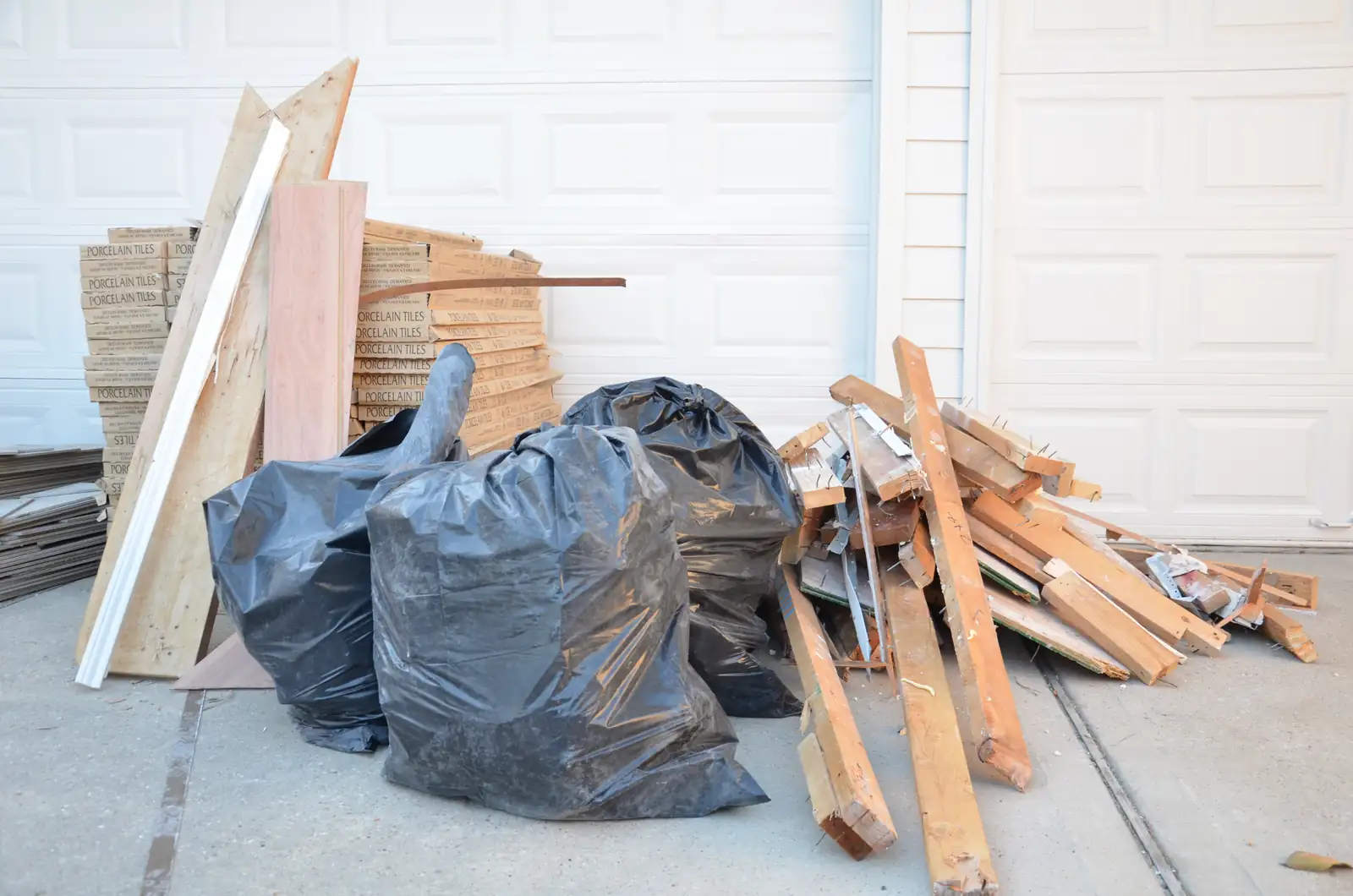
The kitchen is done, or the bathroom, or the deck. It looks great inside, and outside there is a mound of drywall, old cabinets, torn-out flooring and cut lumber that has been sitting by the garage for a week. Construction and demolition debris is its own kind of mess. It is heavy, sharp and awkward, and it can be dangerous to move if it has been thrown into a heap. Construction and Demolition Debris Removal is one of the services we offer around Killingworth and Middlesex County, and here is how to make your pile safer and easier to clear.
First, find out who owns the pile
If a contractor did the work, check your agreement. Debris cleanup is sometimes part of the job and sometimes is not, and it helps to know before you pay twice. If you did the work yourself, the pile is yours, and the sooner it is organized, the better. Debris that sits in the rain gets heavier, and debris at the curb can attract questions from neighbors. If you are not sure what your town allows to sit outside, or for how long, check with the town directly.
Separate before you stack
A mixed heap is slow and risky to handle, while sorted piles are fast. You do not need to be precise. A rough sort into a few groups is enough. Put each group on a tarp, or on a couple of boards, so it stays off the wet ground.
- Lumber and trim, stacked with the ends lined up
- Drywall and sheet goods, kept flat and dry
- Tile, brick, stone and masonry, in small sturdy containers
- Metal, such as duct, pipe, flashing and old fixtures
- Bagged trash and soft debris, such as carpet and insulation
- Big items, like old cabinets, vanities and doors, set to one side
Loose lumber and the nail problem
Demolition lumber is full of nails, screws and staples, and a pile of it is one of the most common ways people get hurt after a project. If you can, pull the nails or hammer the points flat as you stack. Wear thick gloves and sturdy boots with a good sole, since a nail will go straight through a sneaker. Stack the boards in a neat bundle with the ends lined up, and if you have rope or heavy tape, tie the stack so it does not shift. A tidy stack is easier to lift and far less likely to slide.
Keep pieces to a length one or two people can carry. A twelve-foot board with a protruding nail is not a one-person job, and long pieces tend to swing. If you are cutting down old framing or decking, cut it to manageable lengths first, and stand to the side when you work. Eye protection matters here, because old wood splinters.
Bags, boxes and what goes in them
Use heavy contractor bags, not kitchen bags, and do not fill them to the top. Heavy debris, such as plaster, tile fragments or wet insulation, is much heavier than it looks, and a bag that is too full will tear or hurt someone's back. Fill them about halfway, twist and tie them, and set them upright. Double-bag anything sharp.
Tile boxes are a good trick. Broken tile is among the sharpest things on a job site, and a sturdy cardboard box or a plastic bin holds it far more safely than a bag. Fill the box only partway, tape it shut, and write tile on the side. Do the same for broken glass, mirror and ceramic. If a box starts to feel heavy enough to strain you, stop filling it. Drywall dust gets everywhere, so wear a mask when you handle it, and keep drywall dry, because wet drywall is both heavy and fragile.
Keep the site safe until it is cleared
A debris pile on a driveway is attractive to children and pets, so keep them away from it. Cover it with a tarp if rain is expected, and weigh the tarp down so it does not blow off. Do not stack higher than you can reach comfortably, since a tall pile can topple. Leave a clear lane to the pile, free of cars and ladders, so a truck can get close. Mark any bundle with exposed nails, and keep a broom handy for fine debris such as glass and tile chips.
If you cannot tell whether something is safe to touch, such as old insulation, pipe wrap, or a material that does not look familiar, leave it alone and have it looked at first. Your town can direct you to a qualified professional. It is always better to ask than to guess.
Photos, then a quote
Take photos of the pile from two or three angles, plus a close look at the heaviest or largest pieces. Note how far the pile is from where a truck can park, and whether anything is stored inside the house, such as old cabinets still in the garage or basement. Photos let us understand the job before we arrive, and they help you get a more accurate answer.
When the pile is sorted and staged, call or text Steve at 860-227-3403, or email messhaulmen@gmail.com, and send those photos. We will give you an initial quote for clearing the debris, and you can have your driveway back.
Mess Haul Men, LLC, 860-227-3403
Call 860-227-3403More articles
Clearing a Parent's House After They Pass: What to Set Aside Before the Crew Arrives
The sorting that only family can do should happen first, and a little structure makes it far less painful.
The Garage You Can't Park In: A Weekend Plan Before You Call for Junk Removal
Most garages are not full of junk. They are full of undecided things, and a weekend is enough to decide.