Basement and Attic Clean-Outs in Older Connecticut Houses: What's Down There and What Stays
Older houses hold generations of belongings, and a clear sense of what stays makes the clean-out safer and quicker.
October 17, 2026 · 4 min read
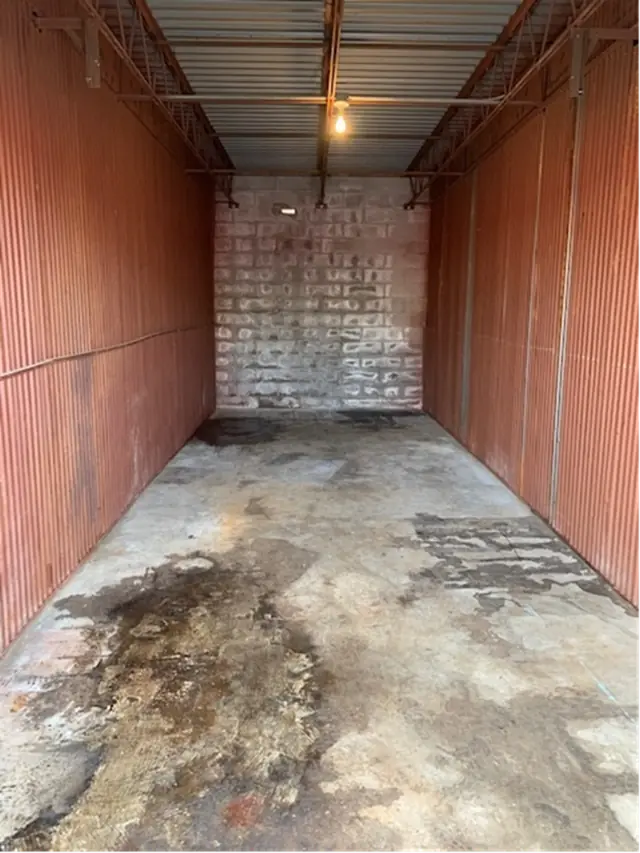
Connecticut has a lot of older houses, and older houses have deep basements and deeper attics. They were built when storing something was easier than deciding about it, and each family that lived there added another layer. If you are clearing a basement or attic in an older house in Killingworth or anywhere in Middlesex County, you are probably looking at decades of stored things, plus some equipment that needs to stay exactly where it is. Here is what we usually see, what to leave alone, and how to prepare.
What is usually down there
Basements collect the heavy and the half-forgotten. Workbenches with drawers of mismatched hardware, shelves of paint cans, old storm windows, broken lawn furniture, bicycles, folding tables, and the washer and dryer that were replaced upstairs. Many have a second refrigerator or a chest freezer, and many have stacks of cardboard boxes that absorbed damp long ago. Furniture that did not fit the new house ends up down there too.
Attics hold the lighter, more personal things. Holiday decorations, luggage, trunks, clothing in garment bags, children's toys, record collections, framed pictures, and sometimes whole bedroom sets taken apart and leaned against the rafters. Because of the heat and the cold, attic contents often look worse than they really are, but they can be very hard to carry out through a pull-down hatch or a narrow staircase.
What stays put
Not everything in a basement is clutter. The equipment that runs the house is fixed, and a clean-out works around it.
- Water heaters and boilers or furnaces that are still in service
- Oil tanks and the lines that feed them
- The electrical panel and the meter
- Well pressure tanks, pumps and treatment equipment
- Sump pumps, plumbing runs and water shutoffs
- Anything bolted, plumbed or wired into the building
In a typical basement job, those things stay exactly where they are while everything around them is cleared. If you are replacing one of them, or want something removed that is connected to a utility, say so when you ask for a quote, and arrange with a qualified tradesperson for the disconnection. It is not something a clean-out is a substitute for. Tell us what is staying, and we will clear a path and a work area around it.
Before you go down or up
A little preparation makes these spaces safer. Wear sturdy shoes, gloves and a dust mask, and bring a good flashlight or headlamp. In a basement, watch for damp floors, low pipes and loose items on the stairs. In an attic, remember that the floor might not be a floor. If there is no decking, the only safe places to step are the joists, and a foot placed between them can go straight through the ceiling below. Do not carry heavy loads up or down a pull-down ladder, and do not go into a hot attic in summer.
Boxes that have sat in damp conditions may hold mold, and old insulation and wrapped pipes can contain materials that should not be disturbed. If something looks unusual, such as crumbling pipe wrap or a sticky, fibrous covering, stop and have it looked at before anyone clears around it. Your town can point you toward the right professional.
Sort what only you can sort
Before the clean-out, check the boxes that could hold something personal. Papers, photographs, letters, anything from a relative who has passed, and the files of a business long since closed. Take them upstairs and out of the damp. Pull out family items you want, such as a particular chair, a trunk, a set of dishes, and set them somewhere dry.
Mark anything that should stay with painter's tape and a note. This is especially important if more than one person has a say in what goes, because a crew cannot read minds and an unmarked item looks the same as the pile beside it. If the house is being sold, ask your agent or attorney what has to remain with the property.
Why photos make the quote faster
We can talk through any job over the phone, but photos get you to a straight answer much quicker. They show how much is there, how heavy it looks, and how it has to come out. A good set takes five minutes and covers most of what we need to know.
- One wide shot from each doorway, so the whole room is in the frame
- The route out: the stairs, the bulkhead or hatch, the narrowest doorway
- The biggest or heaviest items, shot from a step back
- Anything fixed or staying, such as the water heater, so we know to work around it
- A close look at anything unusual, damaged or wet
A clear set of pictures also keeps surprises to a minimum on the day. If we know the attic access is a pull-down ladder, or the basement stairs are steep and narrow, we can plan for it.
Getting started
Attic Clean-Out and Basement Clean-Out are both part of what Mess Haul Men does across Middlesex County. Text your photos to 860-227-3403, or email them to messhaulmen@gmail.com, and tell us what is staying and what is going. We customize each job based on the space and your needs, and we will give you an initial quote. Steve and the crew will take it from there, and you will get your basement or attic back as usable space.
Mess Haul Men, LLC, 860-227-3403
Call 860-227-3403More articles
Clearing a Parent's House After They Pass: What to Set Aside Before the Crew Arrives
The sorting that only family can do should happen first, and a little structure makes it far less painful.
The Garage You Can't Park In: A Weekend Plan Before You Call for Junk Removal
Most garages are not full of junk. They are full of undecided things, and a weekend is enough to decide.