Old Appliances: What to Do Before They're Hauled Away
A few minutes of preparation keeps an old appliance from becoming a wet floor, a hurt back or a surprise at the door.
October 17, 2026 · 4 min read
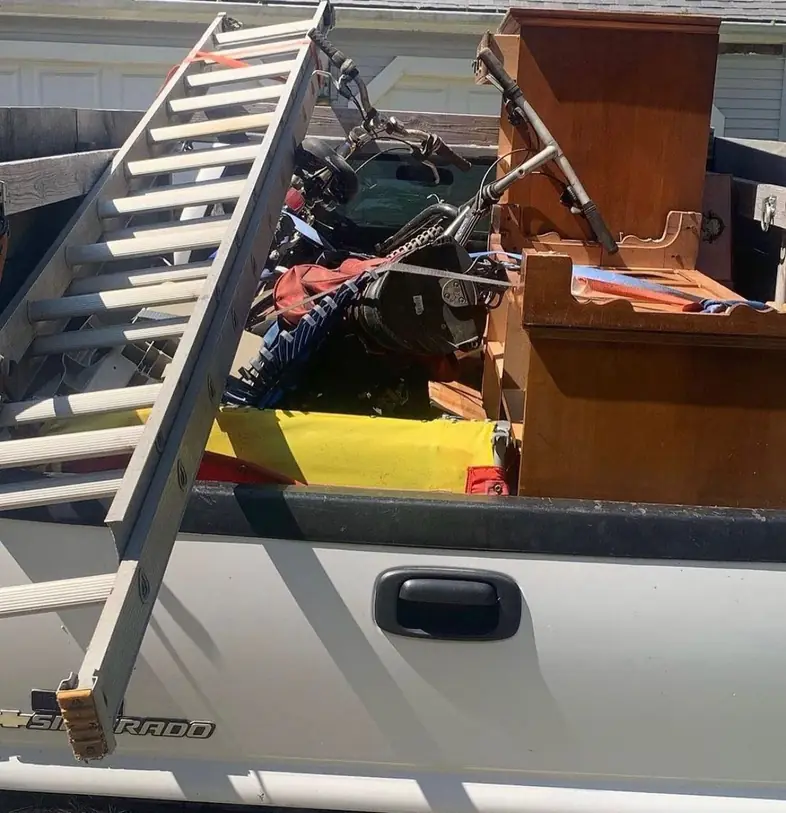
Old appliances have a way of lingering. The fridge that was replaced two years ago is humming in the garage. The washer that stopped draining sits in the basement. A stove from the previous owner is propped against a wall. Appliance Removal is one of the services we offer in Killingworth and Middlesex County, and the work goes much faster, and safer, when the appliance is ready to go. Here is what to do first.
Refrigerators and freezers: empty, defrost, secure
Start with the food. Empty everything, including the freezer and the door shelves, and check the drawers. If the unit is still plugged in, unplug it at least a day ahead so it can defrost. Open the doors and put towels on the floor, because a full freezer releases more water than you would think. Wipe the inside and leave the doors propped open for a while so the smell can clear.
Remove loose shelves and drawers and set them to the side, or tape them in place, so they do not slide out during the carry. For safety, make sure the doors of an old refrigerator or freezer cannot close on a child. Some people remove the doors, and others tape them so they stay secure but can be opened. If you are unsure, ask us when you call. Refrigerators and air conditioners also contain refrigerant, so check with your town about any local requirements for handling them.
Washers and dryers: drain, unplug, look behind
A washer holds water in its hoses and pump even after a cycle ends. Run it empty if it still works, or let it drain, then keep a bucket and towels ready when you pull the hoses. Tuck the hoses and power cord into the drum or tape them to the back, so they cannot snag on a doorway. Check the drum for socks, and check the dryer for lint, since both can end up on the floor of a truck or stairwell.
Look at the back of the machine before anyone touches it. A dryer may be on an electric connection or a gas line, and a washer is connected to water supply valves. If the appliance is still hooked up, it should be disconnected by a qualified plumber, electrician or gas fitter, whichever applies. Disconnection is not one of the services we list, so please arrange that part ahead of time.
Stoves, dishwashers and everything built in
- Remove oven racks, drip pans, and any loose parts, and tape the oven door shut
- Empty the dishwasher and tape the door closed, and check the bottom for standing water
- Take everything out of an over-the-range microwave, and the turntable too
- Note whether the appliance is built in, screwed to a cabinet, or just sitting in place
- Clean out any grease or crumbs that could spill during the carry
Built-in appliances are the ones that surprise people. A wall oven, a dishwasher under a counter, or a microwave bolted over the stove is attached, and getting it out may involve unscrewing it from cabinets or the wall. Mention it when you ask for a quote. Gas ranges deserve special care. If a range was connected to a gas line, do not move it yourself, and make sure the line is properly capped by a qualified professional before anyone removes the appliance.
Clear the path
Appliances are heavy, tall and awkward, and the route out of the house matters as much as the unit itself. Measure the doorways and compare them with the appliance, and think about turns, stairs and railings. A basement washer has to come up a stairway, and a second-floor laundry has to come down. Clear the hallway of rugs, shoes and boxes, and move anything fragile out of the way. Hold pets in another room. If the floor is hardwood, tell us, and lay down cardboard or a runner where the route crosses it.
If the appliance is in a tight spot, such as behind a counter or inside a small closet, pull it forward a bit before the day if you can do so safely. If it is too heavy to move, leave it where it is and tell us. Do not risk your back or your floors.
What to tell us when you call
A short description saves time and avoids surprises on the day. Tell us what the appliance is and where it sits, and whether it is still connected to power, water or gas. Mention the stairs, the doorway width and the parking situation. If you have several things to go, such as a fridge, a washer and a stove together, tell us all of them at once, because it affects the plan. If you are unsure about any of it, send a photo.
- What it is, and whether it runs or not
- Where it is in the house, and how many stairs it has to come down
- Whether it is still connected to power, water or gas
- Whether it is built in or free-standing
- Anything else you want taken at the same time
If the appliance is part of a larger clear-out, such as a basement, a garage or a full house, mention that too. Call or text Steve at 860-227-3403, or email messhaulmen@gmail.com, and we will give you an initial quote based on what you tell us and what you show us.
Mess Haul Men, LLC, 860-227-3403
Call 860-227-3403More articles
Clearing a Parent's House After They Pass: What to Set Aside Before the Crew Arrives
The sorting that only family can do should happen first, and a little structure makes it far less painful.
The Garage You Can't Park In: A Weekend Plan Before You Call for Junk Removal
Most garages are not full of junk. They are full of undecided things, and a weekend is enough to decide.